
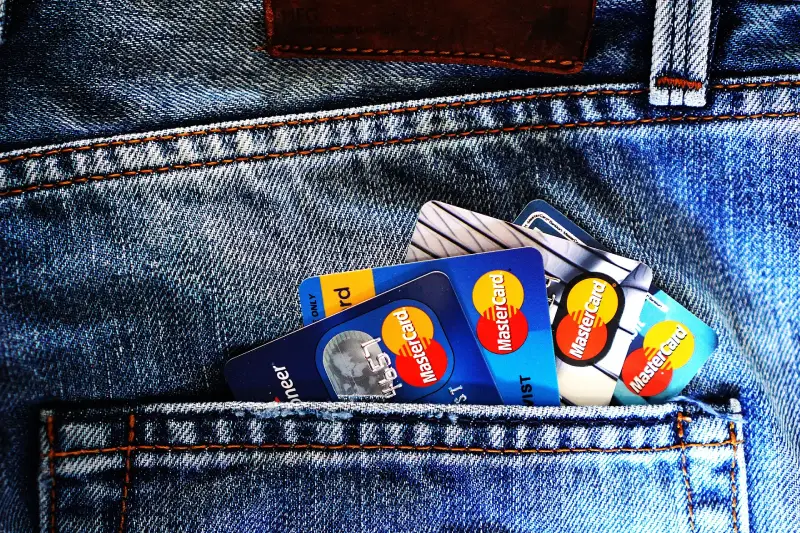
A credit card is one of the most powerful financial tools in modern life.
Used correctly → it builds wealth, rewards, and credit score.
Used wrongly → it creates debt, stress, and financial damage.
So the real skill is not just owning a credit card — but controlling it.
1. What a Credit Card Actually Is
A credit card is borrowed money from a bank.
When you swipe a credit card:
You are NOT spending your money
You are spending the bank’s money
You promise to repay later
Think of it like a short-term interest-free loan.
Every month the bank gives you a bill (statement) showing what you spent.
You must repay that amount before the due date.
Important Terms
Credit Limit
Maximum amount you can spend
Example: ₹50,000 limit → you cannot spend more than that
Billing Cycle
Usually 30 days. All purchases in this period become one bill.
Due Date
Last day to pay without interest (usually 15-20 days after statement)
Minimum Due
Small payment bank asks (dangerous trap — explained later)
Interest Rate (APR)
Usually 30%–45% yearly in India — extremely expensive
2. How the Payment Cycle Works
Let’s understand using an example:
Billing cycle: Jan 1 – Jan 30
Statement generated: Jan 30
Due date: Feb 18
You buy a phone on Jan 2
You effectively get 47 days interest-free loan
If you pay full amount before Feb 18 →
You pay ZERO interest
That is the secret power of credit cards.
3. The Golden Rule (Most Important Rule)
Always pay FULL amount before due date
Not minimum due
Not half
Not “next month”
FULL payment = free loan
Partial payment = expensive debt
4. What Happens If You Pay Only Minimum Due
This is how banks earn money.
Suppose:
You spent ₹20,000
Minimum due = ₹1,000
You think: “Okay I paid, I’m safe”
No.
From that day:
Interest starts on FULL ₹20,000
Plus new purchases also get interest
You lose the interest-free benefit forever until full repayment.
Within months:
₹20,000 → ₹28,000 → ₹40,000 → ₹65,000
This is how people fall into debt traps.
5. How to Use a Credit Card Correctly (Step-by-Step)
Step 1: Spend Only What You Already Have
Treat credit card like a debit card.
If you don’t have money in bank → don’t swipe.
Never buy based on salary you will earn later.
Step 2: Keep Utilization Low
Use only 30% of your limit
If limit = ₹1,00,000
Try to spend below ₹30,000
Why?
It improves credit score massively.
Step 3: Pay Full Amount Automatically
Enable auto-pay full statement balance
This prevents: • Late fees
• Interest
• Credit score damage
Step 4: Track Expenses Weekly
Credit cards feel invisible → people overspend
Check once every week
Not at month end
Step 5: Use for Planned Purchases Only
Good uses: • Fuel • Groceries • Bills • Travel tickets • Online payments
Bad uses: • Shopping to feel good • Impulse buying • EMI for small items
6. Understanding Interest-Free Period (Secret Advantage)
Credit cards give 45–50 days free loan.
Smart users do this:
Salary comes → keep in savings account
Spend via credit card
Pay full at due date
You earn interest on your money + rewards points.
Rich people use cards like this.
7. EMI on Credit Card — Good or Bad?
There are 2 types:
No-Cost EMI (Sometimes Okay)
Real price = same as product price
Interest already included as discount removed
Use only for big planned purchases
Regular EMI (Dangerous)
Interest 14%–24%
Avoid unless emergency
Rule:
If you need EMI for small items → you cannot afford it
8. How Credit Score Works (Very Important)
Your credit card builds your financial reputation.
Score range: 300 – 900
Above 750 = excellent
Banks check this before giving: • Home loans • Car loans • Business loans
What Improves Score
• Full payments • Low usage • Long card history • No late fees
What Damages Score
• Late payment (big damage) • Maxing out card • Settlements • Paying minimum due
One late payment can hurt for 3 years
9. Rewards and Cashback (Extra Benefit)
Banks want you to spend — they reward you.
Types:
Cashback
Example: 5% on Amazon → ₹1000 purchase → ₹50 back
Reward points
Travel miles
Airport lounge access
But remember:
Rewards matter only if you pay full bill
Interest is bigger than any reward
10. Common Mistakes People Make
Mistake 1: Thinking Credit Limit = Salary
It is not money given to you
It is responsibility given to you
Mistake 2: Paying Minimum Due
This creates long-term debt cycle
Mistake 3: Using Card for Lifestyle Upgrade
People buy things to look rich
But actually become poor
Mistake 4: Too Many Cards
More cards → more temptation → more spending
Mistake 5: Cash Withdrawal
Never withdraw cash from credit card
Interest starts immediately
Plus extra fee
Worst possible use
11. Safety Tips (Avoid Fraud)
Always follow:
• Enable SMS alerts • Turn off international transactions when not needed • Never share OTP • Use virtual card online • Block card immediately if lost • Avoid saving card on random websites
12. Best Strategy to Master Credit Cards
Follow the 4-rule system:
Spend only what you already own
Use less than 30% limit
Pay full before due date
Never use for emotional purchases
If you follow this:
Credit card becomes → Free loan → Cashback machine → Credit score builder
If you don’t:
It becomes → High-interest debt → Stress → Financial trap
13. Who Should Avoid Credit Cards
You should NOT use credit card if:
• You often buy impulsively • You cannot track expenses • You already have debt • You pay late bills normally
First build discipline → then use card
14. Smart User vs Trapped User
Smart User Pays full bill
Earns rewards
High credit score
Gets cheap loans
Trapped User Pays minimum
Pays interest
Score drops
Rejected loans
Same card — different habits — opposite life outcomes.
Final Thought
A credit card is not dangerous.
Lack of control is dangerous.
The bank gives you a card hoping you make mistakes.
If you learn the rules → you win
If you ignore rules → bank wins
So treat a credit card like fire:
Cook with it → useful
Play with it → harmful
References:
Casino slot machine games
References:
https://udcenter.org/51/?bmode=view&idx=163469207
my company pass app
le saint laurent
References:
https://topbookmarks.site/
References:
American roulette wheel
References:
http://vivek-desai.com/pages/
Boostaro is a purpose-built wellness formula created for men who want to strengthen vitality, confidence, and everyday performance.
HeroUP is a premium mens wellness formula designed to support sustained energy, physical stamina, and everyday confidence.
ProDentim is a distinctive oral-care formula that pairs targeted probiotics with plant-based ingredients to encourage strong teeth, comfortable gums, and reliably fresh breath.
Mitolyn is a carefully developed, plant-based formula created to help support metabolic efficiency and encourage healthy, lasting weight management.
PurDentix is a revolutionary oral health supplement designed to support strong teeth and healthy gums. It tackles a wide range of dental concerns
AquaSculpt is a high-quality metabolic support supplement created to help the body utilize fat more efficiently while maintaining steady, reliable energy levels throughout the day.
Gluco6 is a natural, plant-based supplement designed to help maintain healthy blood sugar levels.
Maintaining prostate health is crucial for men’s overall wellness, especially as they grow older. Conditions like reduced urine flow, interrupted sleep
Arialief is a carefully developed dietary supplement designed to naturally support individuals dealing with sciatic nerve discomfort while promoting overall nerve wellness.
InsuLeaf is a high-quality, naturally formulated supplement created to help maintain balanced blood glucose, support metabolic health, and boost overall vitality.
Manergy is an advanced male vitality supplement created to help support healthy testosterone levels
NerveGenics is a naturally formulated nerve-health supplement created to promote nerve comfort, cellular energy support, antioxidant defense
ProstAfense is a premium, doctor-crafted supplement formulated to maintain optimal prostate function, enhance urinary performance, and support overall male wellness.
GL Pro is a natural dietary supplement formulated to help maintain steady, healthy blood sugar levels while easing persistent sugar cravings.
NerveCalm is a high-quality nutritional supplement crafted to promote nerve wellness, ease chronic discomfort, and boost everyday vitality.
Kerassentials is an entirely natural blend crafted with 4 potent core oils and enriched by 9 complementary oils and vital minerals.
Prostadine concerns can disrupt everyday rhythm with steady discomfort, fueling frustration and a constant hunt for dependable relief.
The bodys natural process of skin cell renewal is essential for preserving a smooth, healthy, and youthful-looking complexion.
Nitric Boost Ultra is a daily wellness formula designed to enhance vitality and help support all-around performance.
MounjaBoost is a next-generation, plant-based supplement created to support metabolic activity, encourage natural fat utilization
NativeGut is a precision-crafted nutritional blend designed to nurture your dog’s digestive tract.
The bodys natural process of skin cell renewal is essential for preserving a smooth, healthy, and youthful-looking complexion.
AquaSculpt is a high-quality metabolic support supplement created to help the body utilize fat more efficiently while maintaining steady, reliable energy levels throughout the day.
Prosta Peak is a high-quality prostate wellness supplement formulated with a comprehensive blend of 20+ natural ingredients and essential nutrients to support prostate health
Nitric Boost Ultra is a daily wellness formula designed to enhance vitality and help support all-around performance.
ViriFlow is a dietary supplement formulated to help maintain prostate, bladder, and male reproductive health. Its blend of plant-based ingredients is designed to support urinary comfort and overall wellness as men age.
Visium Pro is an advanced vision support formula created to help maintain eye health, sharpen visual performance, and provide daily support against modern challenges such as screen exposure and visual fatigue.
Backbiome is a naturally crafted, research-backed daily supplement formulated to gently relieve back tension and soothe sciatic discomfort.
References:
Steroids for women to lose weight
References:
http://www.ofrecklessnessandwater.com/blog/index.php/;focus=W4YPRD_com_cm4all_wdn_Flatpress_5487094&path=?x=entry:entry200413-114255%3Bcomments:1
References:
Hgh transformations
References:
https://servus-nachbar.at/Neuigkeiten/index.php/;focus=W4YPRD_com_cm4all_wdn_Flatpress_7491266&frame=W4YPRD_com_cm4all_wdn_Flatpress_7491266?x=entry:entry250527-142615;comments:1
References:
Best legal supplement to build muscle
References:
https://wm01oaq9b.hier-im-netz.de/Blog;focus=TKOMSI_com_cm4all_wdn_Flatpress_23962032&path=&frame=TKOMSI_com_cm4all_wdn_Flatpress_23962032?x=entry:entry250302-120045%3Bcomments:1
References:
What effect can the use of steroids have on men
References:
https://meeting2up.it/@jerrellhigbee
References:
Are anabolic steroids legal in canada
References:
https://www.propose.lk/@benniefitzhard
References:
Best muscle building supplements 2015
References:
https://wm01oaq9b.hier-im-netz.de/Blog;focus=TKOMSI_com_cm4all_wdn_Flatpress_23962032&path=&frame=TKOMSI_com_cm4all_wdn_Flatpress_23962032?x=entry:entry240118-131256%3Bcomments:1
References:
Is growth hormone a steroid hormone
References:
https://www.vorgartenhof.at/Lesestoff-Links/Blog-Stories/index.php/;focus=W4YPRD_com_cm4all_wdn_Flatpress_7645004&path=?x=entry:entry240921-133527%3Bcomments:1
References:
Injectable steroids price
References:
https://git.cute.bet/christianegrav/newborhooddates.com6579/wiki/Spiropent+Tabletten+100+St+mit+E-Rezept+kaufen.-
References:
Weight lifting supplement stacks
References:
https://git.cyberuk.me/kaylenegonzale
References:
Bodybuilding workout gear
References:
https://yours-tube.com/@isobelbarbosa1?page=about
References:
How much do anabolic steroids cost
References:
http://82.26.157.11:3001/darnell03t4243